
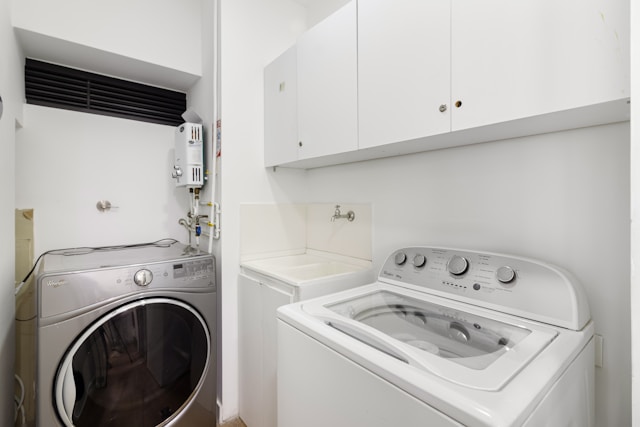
Few household appliances are as dramatic when something goes wrong as a washing machine. A washer can shake the entire laundry room, move several inches across the floor, or make a loud banging sound during the spin cycle.
Fortunately, not every noisy washer has a serious mechanical failure.
The first thing to check is the load. Washing machines are designed to distribute clothing around the drum. A single heavy item, such as a bath mat or large blanket, can become unbalanced and cause violent movement during spinning. Pause the machine, redistribute the load, and try again.
The washer also needs to be level. If one corner is sitting higher than another, the machine may rock during operation. Most washers have adjustable feet that can be used to stabilize the cabinet. Place a level on the top of the machine and check it from more than one direction.
The floor underneath the appliance matters as well. A washing machine installed on a flexible or uneven surface may vibrate more than one installed on a solid, level floor. In some homes, especially older properties, the flooring itself contributes to the problem.
If the machine is level and balanced but still makes unusual noises, pay attention to when the sound occurs.
A rumbling noise that becomes louder during high-speed spinning can point toward worn bearings or other drum-related components. A sharp clicking noise might involve a loose object. Repeated knocking can indicate that something is moving where it shouldn’t. A washer that fills and drains normally but suddenly refuses to spin may have an entirely different problem involving the motor, belt, door lock, or control system.
Don’t ignore water leaks either. A washer that vibrates excessively can eventually stress hoses and connections. Water around the machine should be investigated promptly.
Modern washing machines can also display error codes. If your model shows one, write it down before switching the appliance off. The code may provide a useful starting point for diagnosis, although it doesn’t always identify the failed component itself.
One advantage of using an established repair company such as Appliance Forever is that a technician can assess the symptoms as a complete system rather than replacing parts based on a guess. The same “loud washer” complaint can have several different causes.
If you decide to troubleshoot before calling someone, keep safety in mind. Unplug the machine before inspecting accessible components, never reach inside a moving drum, and don’t remove panels unless you understand the risks involved.
A noisy washer doesn’t automatically mean you need a new machine. Start with load balance and leveling. If those don’t solve the issue, professional diagnosis can help determine whether the problem is a relatively simple component or a sign that replacement makes more sense.



